

An Expert Reveals 7 Truths About 和合術報應: The Real Risks of Taoist Love Spells in 2025
Abstract
This analysis explores the complex Taoist concept of 和合術報應 (hèhéshù bàoyìng), or the karmic retribution associated with relationship-binding rituals, commonly known as love spells. Within many East and Southeast Asian cultures, there exists a profound concern that manipulating romantic destiny through spiritual means can lead to severe negative consequences. This article provides an objective examination of Heheshu (和合術), differentiating between rituals aimed at gentle harmonization and those intended for forceful coercion. It investigates the principles of Baoying (報應), the Taoist framework for karmic consequence, analyzing how intention, free will, and the violation of natural order contribute to potential repercussions. The discussion covers the seven primary risks, including the degradation of the relationship itself, depletion of personal fortune, adverse health effects, attraction of malevolent entities, and potential generational impacts. The ethical responsibilities of both the seeker and the practitioner are also scrutinized, offering a balanced perspective on this esoteric practice for a modern audience in 2025.
Key Takeaways
- Understand that not all Heheshu is coercive; some rituals focus on gentle harmonization.
- The practitioner's intention is a primary factor in determining potential negative outcomes.
- Forcing a relationship against someone's free will is the main trigger for 和合術報應.
- Karmic consequences can manifest in finances, health, and overall personal luck.
- Mitigating negative effects involves cultivating personal merit and seeking spiritual cleansing.
- Always verify a practitioner's ethics before engaging in any spiritual rituals.
Table of Contents
- Understanding Heheshu: More Than Just a "Love Spell"
- The Concept of Baoying (報應): Taoism's Karmic Calculus
- Truth #1: The Risk of Forcing an Unnatural Bond
- Truth #2: The Drain on Your Personal Luck and Fortune
- Truth #3: The Potential for Negative Health Consequences
- Truth #4: The Danger of Attracting Unwanted Spiritual Entities
- Truth #5: The Generational Impact: Does 和合術報應 Affect Descendants?
- Truth #6: The Ethical Dilemma and the Practitioner's Burden
- Truth #7: The Path to Resolution and Mitigation
- Frequently Asked Questions about Heheshu and Karmic Retribution
- Conclusion
- References
Understanding Heheshu: More Than Just a "Love Spell"
When people in Singapore, Malaysia, or Taiwan hear the term "Heheshu" (和合術), their minds often jump to a dramatic image: a secret ritual performed by a robed master to force an unwilling person into a relationship. This perception, fueled by folklore and television dramas, captures only a sliver of a much more nuanced spiritual technology. To truly grasp the idea of 和合術報應, or the karmic blowback from these rituals, we must first dismantle this simplistic notion and look at the philosophy behind the practice. It's not a monolithic tool for manipulation; rather, it is a spectrum of interventions ranging from gentle encouragement to forceful binding.
Imagine a garden with two flowers growing apart. A gentle harmonization ritual is like enriching the soil between them, improving the sunlight, and ensuring they both get enough water so they might naturally grow towards each other. A coercive ritual, on the other hand, is like tying the stems together with a wire. They are physically bound, yes, but the wire cuts into their stems, stunting their growth and creating a forced, painful union that is anything but natural. This distinction is the very heart of the matter when we discuss the potential for negative consequences.
The Philosophical Roots of Hehe (和合)
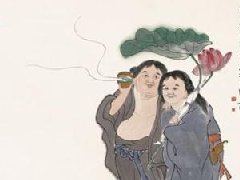
The term "Hehe" (和合) itself is deeply embedded in Taoist and Chinese cultural philosophy. It doesn't mean "binding" or "control." It translates to harmony, union, and concord. The Hehe Erxian (和合二仙), or the Two Immortals of Harmony and Union, are popular deities in folk religion who are prayed to for happy marriages. Their very essence is about fostering mutual affection, cooperation, and joyful partnership. Therefore, the original spirit of Heheshu is not about subjugating another's will but about clearing obstacles that prevent a natural harmony from flourishing.
These obstacles could be anything from misunderstandings and poor communication between a couple to external interference from family or rivals. A legitimate practitioner, operating within the ethical bounds of Taoism, would first perform a divination, perhaps using Bazi (八字) or other methods, to determine if a connection between the two individuals is even possible or destined (Qianyu.sg, 2019). If there is a thread of yuanfen (緣分), or fateful affinity, the ritual then acts as a spiritual catalyst. It smooths the path, mends frayed energetic connections, and encourages the positive aspects of the relationship to come to the forefront. It works with the flow of the Tao, not against it.
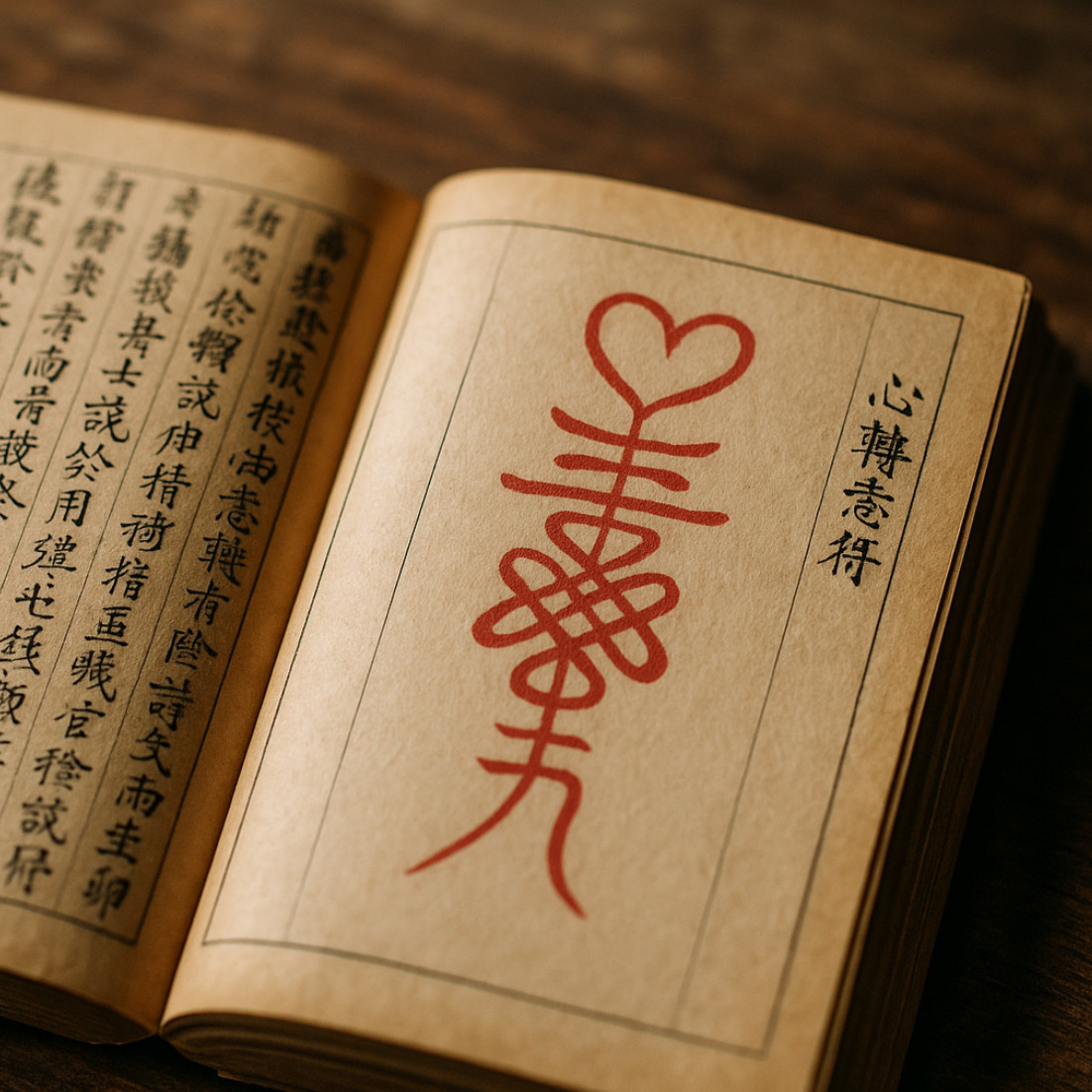
How Heheshu Rituals Are Believed to Work
The mechanics of a Heheshu ritual are complex and vary greatly between different Taoist lineages, such as the Mao Shan (茅山) tradition mentioned by some practitioners (Mao Shan Cultural Centre, 2025). Most rituals, however, share common elements. They typically involve creating an altar, invoking specific deities or spiritual entities, and using personal items from the individuals involved, such as their name, date of birth, photograph, or even hair and nails. These items act as energetic links, or what we might think of as spiritual addresses.
The master then uses talismans (符), chants (咒), and mudras (hand gestures) to channel and direct Qi (氣), or life-force energy. The goal is to influence the energy fields of the individuals involved. In a harmonization ritual, this might involve "cleansing" negative energy that causes conflict and "strengthening" the energetic bonds of affection and understanding. The talisman acts as a petition to the spiritual realm, a kind of celestial request form that outlines the desired outcome. The success of the ritual is thought to depend on the master's spiritual cultivation, the sincerity of the petitioner, and, most critically, whether the request aligns with the broader karmic balance of the universe. According to some divination experts, the process is a form of "celestial communication" where sincerity is key to receiving a response from the divine (Soontanger.com.tw, 2015).
Differentiating White Magic from Black Magic in Taoism
The line between what one might call "white magic" and "black magic" in this context is defined by one thing: free will. Any ritual that respects the free will of all parties and seeks to enhance a potential, consensual harmony can be considered "white" or orthodox. It aims to create a win-win situation where both individuals are genuinely happier together.
Conversely, any ritual that seeks to override another person's will, to force them to love, return, or stay against their own heart and mind, is considered "black" or unorthodox. This is where the severe risk of 和合術報應 enters the picture. This type of magic is an act of spiritual violence. It creates a karmic debt because it disrupts the natural order and infringes upon a fundamental spiritual right—the right of a soul to choose its own path. The entities called upon in such rituals are often not benevolent deities of harmony but lower-level spirits who are willing to perform such tasks for a price. That price, as we will explore, is often paid by the petitioner in the form of their own luck, health, or future happiness.
| Feature | Ethical Harmonization (正法和合) | Coercive Binding (邪法和合) |
|---|---|---|
| Primary Intention | To clear obstacles and enhance an existing or potential mutual affection. | To force an unwilling or indifferent person into a relationship. |
| Core Principle | Works with the natural flow of Yuanfen (predestined affinity). | Works against free will and the natural order of the Tao. |
| Deities Invoked | Hehe Erxian (和合二仙), Yue Lao (月老), other benevolent deities of love. | Lower-level spirits, ghosts, or entities that operate on a transactional basis. |
| Potential Outcome | A naturally developing, stable, and happy relationship. | A volatile, unstable relationship marked by control, paranoia, and eventual decay. |
| Karmic Consequence | Generally positive or neutral, as it aligns with fostering harmony. | High risk of severe 和合術報應, creating a significant karmic debt for the petitioner. |
The Concept of Baoying (報應): Taoism's Karmic Calculus
Before we can dissect the seven truths of 和合術報應, we must have a firm grasp of what Baoying (報應) means in a Taoist context. While often translated simply as "retribution," its meaning is closer to "consequential response" or "reciprocal effect." It is the universe's automatic balancing mechanism. Think of it not as a punishment from an angry deity, but as a natural law, as certain as gravity. If you throw a ball into the air, it will come down. If you put a disruptive energy into the universe, a corresponding energy will eventually return to you.
This concept is central to understanding why interfering with another's destiny is considered so perilous. It's not about breaking a rule in a holy book; it's about violating a fundamental law of spiritual physics. The Taishang Ganying Pian (太上感應篇), a classic Taoist morality text, states that good and bad deeds are recorded by spirits and have corresponding effects on one's lifespan and fortune. Every action, thought, and intention sends a ripple through the cosmos, and that ripple will inevitably find its way back to the source.
Baoying vs. Buddhist Karma: A Subtle Distinction
For many in regions like Singapore and Malaysia, where Buddhism and Taoism often blend, the concepts of Baoying and Buddhist Karma can seem identical. While they share the same core idea of cause and effect, there are subtle philosophical differences. Buddhist karma is often more focused on the individual's mental state and the cycle of rebirth (samsara). The ultimate goal is to escape this cycle by achieving enlightenment.
Taoist Baoying, while also deeply concerned with morality, is often more immediate and "this-worldly." It places a strong emphasis on how your actions affect your current life's fortune, health, and longevity, as well as the fortune of your family and descendants. There is a cosmic bureaucracy of gods and spirits who are said to meticulously record deeds and mete out the corresponding rewards or retributions (Geomancy.Net, 2024). This makes the consequences feel very tangible. For example, a good deed might be "rewarded" with a sudden financial windfall, while a bad deed, like performing a coercive love spell, might result in a business failing or a sudden illness. The consequence is directly linked to the action in a way that is meant to teach a cosmic lesson.
The Role of Intention and Free Will
In the calculus of Baoying, intention (yìniàn 意念) is paramount. Why are you seeking a Heheshu ritual? Is it born from a place of genuine love and a desire to heal a rift that was caused by a foolish argument? Or is it born from obsession, possessiveness, and a desire to control someone who has clearly expressed their wish to leave?
The universe, in this philosophical framework, is not easily fooled. Two people can perform the exact same action, but the karmic result will be vastly different based on their inner motivation. Let's consider two scenarios:
-
Scenario A: A married couple, who deeply love each other, have grown distant due to work stress and misunderstandings. One partner seeks a harmonization ritual with the pure intention of rekindling their mutual affection and reminding them of the love they share. This action is restorative. It seeks to mend, not to create something artificial. The potential for negative Baoying is minimal.
-
Scenario B: A person is rejected by someone they desire. The rejected person, unable to accept the outcome, seeks a powerful binding spell to force the other person to return, despite the other person having moved on. The intention here is selfish, coercive, and a direct violation of the other's free will. This action is disruptive and spiritually violent. The risk of severe 和合術報應 is extremely high.
This is why a reputable master will often conduct a detailed consultation before agreeing to perform a ritual, as they understand their own karmic burden in facilitating such an act (MJC-FS.com, 2025). They are assessing the petitioner's intent.
How Karmic Debts Manifest in Life
The "retribution" in 和合術報應 is not always a lightning bolt from the heavens. It is often a slow, corrosive decay in the most important areas of one's life. Taoist thought categorizes a person's fortune into several key pillars: health, wealth, relationships, career, and family. A significant karmic debt can cause cracks to appear in any or all of these pillars.
Imagine your personal luck is like a bank account. Every good deed is a deposit. Every bad deed is a withdrawal. Performing a coercive love spell is like taking out a massive, high-interest loan from a shady lender. You get the "cash" (the relationship) upfront, but the repayments will be steep. These "repayments" can manifest as:
- Wealth: Your business starts to fail, you lose your job, or you find yourself unable to hold onto money.
- Health: You develop chronic, unexplainable illnesses that doctors cannot diagnose. You feel constantly drained of energy.
- Relationships: The very relationship you forced becomes a source of misery, or your relationships with family and friends begin to crumble.
- Overall Luck: You find yourself plagued by "bad luck," where simple tasks become difficult and you constantly face obstacles.
This is the essence of Baoying. It is not a punishment, but a rebalancing. The energy you took by force must be repaid from your own reserves of fortune.
Truth #1: The Risk of Forcing an Unnatural Bond
The most immediate and perhaps most tragic consequence of using coercive Heheshu is the destruction of the very thing you sought to obtain: a loving relationship. A connection forged in the fires of spiritual manipulation is not built on the solid ground of mutual affection and respect. It is a hollow structure, beautiful on the outside but destined to collapse. This happens because such an act directly opposes the fundamental Taoist principle of yuanfen (緣分).
Yuanfen is a concept that resonates deeply across Chinese culture, from Taipei to Kuala Lumpur. It represents the binding force of destiny, the invisible red thread that connects two people who are meant to be together. It encompasses both the "why" (yuan – the predestined cause) and the "how" (fen – the opportunity to realize that cause). A relationship with strong yuanfen feels natural, easy, and right, even through its challenges. Forcing a bond where little or no yuanfen exists is like trying to force two mismatched puzzle pieces together. You might be able to jam them into place, but you will damage both pieces in the process, and the overall picture will be flawed.
Interfering with Yuanfen (緣分): The Predestined Connection
Think about the most fulfilling relationships you have witnessed. They often have a story of serendipity, of "right place, right time." This is the manifestation of yuanfen. It is the universe conspiring to bring two people together. Taoist philosophy teaches that these connections are part of a grand, cosmic tapestry. Each thread is interwoven with others in a complex, beautiful pattern.
When you use a coercive spell, you are taking a pair of scissors to this tapestry. You are cutting a thread from its intended path and crudely stitching it somewhere else. This act of violence against the natural order creates a karmic wound. The universe, in its drive for balance, will seek to heal this wound. This healing process often involves the unraveling of the artificial bond you created. The spell might work initially—the person may suddenly feel an inexplicable urge to be with you. But this is a spiritual sickness, not genuine love. Their soul, their inner consciousness, knows that something is wrong. This internal conflict is the seed of the relationship's destruction.
The Fragility of a Magically-Induced Relationship
A relationship born from a coercive spell is inherently unstable. It is a house built on sand. Because the target's affection is not genuine, it is prone to sudden and dramatic shifts. One day they may seem devoted, and the next they may be cold, distant, or even hostile for no apparent reason. This is their subconscious spirit fighting against the unnatural influence.
Furthermore, the petitioner, the one who commissioned the spell, lives in a state of constant paranoia. You can never trust that your partner's love is real. Every smile, every kind word is suspect. Was that them, or was that the spell? This gnawing insecurity poisons the well of the relationship. You become a jailer, constantly watching for signs of the spell weakening, terrified of the moment your partner "wakes up" and leaves. The love you craved becomes a prison of your own making. The relationship is not a source of joy and comfort, but one of constant anxiety and emotional exhaustion. This is a classic form of 和合術報應—getting what you thought you wanted, only to find it is a poisoned chalice.
Case Study: When Forced Love Turns Sour
Consider the story, often recounted in hushed tones among spiritual circles in Singapore, of a woman we will call "Mei." Mei was deeply in love with a man, "Lin," who saw her only as a friend. Devastated by his rejection, she sought out a practitioner of dark arts who promised to bind him to her forever. The spell worked with shocking speed. Within weeks, Lin broke off his engagement to another woman and declared his undying love for Mei. They were married shortly after.
For the first year, things seemed perfect. But then, the cracks began to show. Lin became moody and withdrawn. He would have fits of rage followed by periods of deep depression. He started drinking heavily. Mei, in turn, became obsessively controlling, tracking his every move, convinced he was trying to leave her. Their home, once a symbol of her "victory," became a battleground of suspicion and misery. The love she had so desperately wanted had morphed into a grotesque caricature of hate and resentment.
Eventually, Lin suffered a complete mental breakdown. In a moment of clarity, he told Mei, "I feel like a puppet. I love you, but I hate you, and I don't know why." The spell had not created love; it had created a tormented soul trapped in a cage of magical influence. Mei lost not only the man she thought she loved but also her own peace of mind and a significant portion of her wealth on his medical bills. This is the stark reality of forcing yuanfen. The bond is not real, and the fallout is devastating for everyone involved.
Truth #2: The Drain on Your Personal Luck and Fortune
One of the most insidious forms of 和合術報應 is the slow, silent erosion of your personal luck and fortune. This isn't about a sudden, dramatic bolt of lightning; it's more like a spiritual bank account being steadily drained by hidden fees and exorbitant interest rates. When you use coercive magic to bend another person's will, you are essentially creating a spiritual debt. The universe, in its innate drive for equilibrium, will extract payment. Often, this payment comes from the areas of your life that you hold most dear: your career, your financial stability, and your overall "good luck."
This concept can be understood through the Taoist principle of energetic exchange. Nothing in the universe is free. To create a significant, unnatural effect—like forcing someone to love you—requires a massive amount of energy. If you are not a highly cultivated spiritual master who can draw this energy from the cosmos, where does it come from? It is drawn from you. The ritual effectively mortgages your future fortune for a present desire.
The Energetic Cost of Bending Reality
Imagine your life's destiny as a river flowing towards the sea. Your good fortune, or qi, is the water in that river. A healthy, ethical life allows this river to flow smoothly and strongly. Now, imagine you want to divert a different river—another person's destiny—to merge with yours. This requires building a massive dam and canal system. The a Heheshu ritual is the spiritual equivalent of this construction project.
The energy required for this project, the "spiritual concrete and steel," is drawn directly from your own river. The master performing the ritual is the engineer, but you are the one supplying the materials. Your future luck, your potential for career advancement, your destined wealth—all of it is pulverized and used as raw material to build the dam that alters reality. You might get the other river to merge with yours for a while, but your own river's flow is now significantly diminished. It becomes a shallow, sluggish stream, prone to drying up. This is a profound form of 和合術報應. Your life force is literally consumed to sustain the artificial reality you have created.
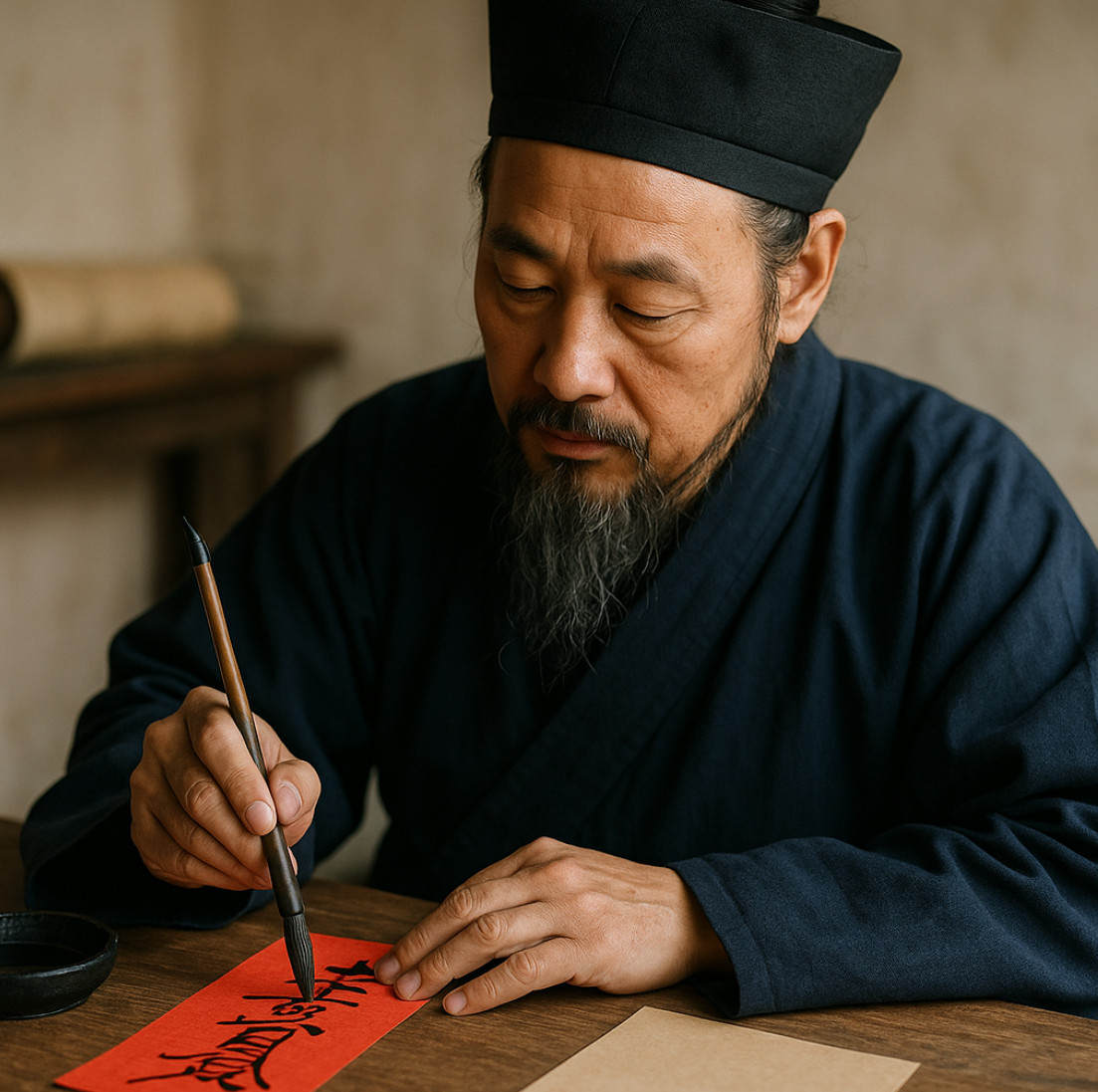
How 和合術報應 Can Affect Your Career and Finances
The manifestation of this energetic drain is often practical and mundane. People who have engaged in coercive rituals frequently report a sudden downturn in their professional and financial lives. It might start subtly. A promotion you were sure you would get is given to someone else. A major client inexplicably pulls their account. Your investments, which were once performing well, suddenly begin to lose value.
Think of Mr. Tan, a businessman in Kuala Lumpur who, in a fit of jealousy, used a binding spell to stop his girlfriend from leaving him for a competitor. For a few months, he was triumphant. She stayed, and his ego was satisfied. But then, his business began to unravel. A shipment of goods was lost at sea, a key employee resigned and took several clients with him, and a government audit tied up his capital. He found himself working twice as hard just to stay afloat. He was constantly stressed, and his focus was shattered.
He didn't connect these events to the spell. He blamed the economy, his competitors, and bad luck. But from a Taoist perspective, the connection is direct. The energy and "luck" that should have been fueling his business success were being siphoned off to maintain the spiritual prison he had built around his girlfriend. The universe was collecting its debt. He had traded his prosperity for possession, and it was a terrible bargain. This is a classic example of how the consequence, or baoying, is not arbitrary but is often poetically and thematically linked to the transgression.
The Principle of Exchange: What Are You Giving Up?
Before even considering such a path, one must ask a brutally honest question: What am I willing to trade for this person? Am I willing to trade my career? My financial security? My future opportunities? Because that is the exchange being made. The spiritual world operates on a strict system of balance. You cannot gain something for nothing.
A legitimate Taoist master understands this principle of exchange. This is why many will refuse to perform coercive spells, not just for the client's sake, but for their own. They know that facilitating such a karmic imbalance implicates them in the debt. An unethical practitioner, however, will gladly let you make this trade. They get their fee, and you are left to deal with the spiritual bankruptcy that follows.
The drain on your fortune is a critical aspect of 和合術報應 because it traps you in a cycle of desperation. As your finances and career falter, your stress increases, which puts more strain on the already fragile, magically-induced relationship. This can lead you to seek even more magical "solutions," digging yourself deeper and deeper into karmic debt. It is a downward spiral that can be incredibly difficult to escape. Understanding this energetic cost is the first step toward choosing a wiser, more harmonious path.
Truth #3: The Potential for Negative Health Consequences
The consequences of 和合術報應 are not confined to the external world of finance and relationships; they can penetrate the very core of your being, manifesting as a host of debilitating health problems. This is because, in the holistic worldview of Taoism, your spiritual, emotional, and physical bodies are not separate entities. They are intricately interconnected. A wound in one area will inevitably bleed into the others. When you disrupt the spiritual harmony of the universe by forcing another's will, you create a profound imbalance that can rebound upon your own physical and mental well-being.
This is not merely superstition. Think of it from a modern psychosomatic perspective. A person who has committed an act they know, on some deep level, to be wrong, will live with a constant, low-grade stress and guilt. This chronic stress is known to have devastating effects on the body, weakening the immune system, causing inflammation, and leading to a wide range of illnesses. Taoist philosophy arrived at this same conclusion thousands of years ago, albeit through a different vocabulary.
Spiritual Imbalance and its Physical Manifestations
Taoist medicine is based on the flow of Qi (life-force energy) through a network of meridians in the body. Health is a state of balanced and unobstructed Qi. Illness occurs when this flow is blocked, stagnant, or deficient. Performing a coercive Heheshu ritual is an act that generates a large amount of negative or "turbid" Qi (zhuó qì 濁氣). This negative energy clings to the petitioner and can disrupt their entire energetic system.
The results can be varied and mystifying. Practitioners often report that clients who have dabbled in such magic come to them with a litany of "phantom illnesses." They might experience chronic fatigue that no amount of sleep can cure, persistent headaches or migraines with no discernible cause, or digestive issues that doctors are unable to diagnose. Some describe a constant feeling of heaviness, as if a weight is pressing down on their chest or shoulders. This is the physical manifestation of the karmic debt they have incurred. Their own life force is being suppressed or drained by the effort of maintaining the spell, leading to a state of chronic energetic depletion. In essence, their body begins to reflect the spiritual sickness they have created.
Psychological Toll: Anxiety, Paranoia, and Guilt
Perhaps even more common than the physical symptoms is the psychological decay that accompanies a forced relationship. As mentioned earlier, the petitioner can never truly be at peace. They live in a self-imposed prison of fear and suspicion. This constant anxiety is a poison to the soul.
Imagine living every day with a knot of fear in your stomach. Every time your partner is a few minutes late, your mind races: "Is the spell wearing off? Are they with someone else?" Every time they seem distant, you panic: "Have they 'woken up'?" This is not love; it is a form of self-torture. This chronic state of high alert floods the body with stress hormones like cortisol, which, over time, can lead to serious health issues like high blood pressure, heart disease, and a compromised immune system.
Furthermore, the guilt of having violated another person's autonomy can eat away at the conscience. Even if the petitioner tries to justify their actions, a deep part of their spirit knows the truth. This can lead to depression, insomnia, and a profound sense of self-loathing. The 和合術報應, in this case, is not an external punishment but an internal one. The mind becomes its own tormentor, replaying the ethical transgression over and over.
The Impact on Your "Three Treasures" (Jing, Qi, Shen)
In the deepest strata of Taoist thought lies the concept of the "Three Treasures" (Sānbǎo 三寶):
- Jing (精): The essence, the source of our physical life and vitality. It is our constitutional energy, our "battery pack."
- Qi (氣): The life-force energy that animates the body and mind. It is the energy of our daily functions.
- Shen (神): The spirit, the mind, our consciousness and awareness. It is the light of our spiritual being.
These three are interconnected and mutually supportive. Healthy Jing produces abundant Qi, and abundant Qi nourishes a radiant Shen. A coercive Heheshu spell is seen as an attack on all Three Treasures. The stress and anxiety burn through your daily Qi. The constant energetic output required to maintain the spell drains your foundational Jing, leading to premature aging and a weakened constitution. Finally, the guilt, paranoia, and spiritual disharmony dim the light of your Shen, leading to a clouded mind, poor judgment, and a loss of spiritual connection.
The depletion of the Three Treasures is one of the most severe forms of 和合術報應. It is a hollowing out of the self from the inside. You may have the person by your side, but you have lost your own vitality, your own energy, and your own spirit in the process. You become a ghost haunting your own life. The price of controlling another is the loss of your own authentic self.
Truth #4: The Danger of Attracting Unwanted Spiritual Entities
When one ventures into the world of coercive magic, they are not typically petitioning the benevolent, high-ranking deities of the Taoist pantheon. Gods of harmony and order have no interest in assisting with acts that violate the natural flow of the Tao. Instead, the petitioner and the unethical practitioner are making a bargain with entirely different kinds of beings—lower-level spirits, hungry ghosts, or other entities that are drawn to the chaotic energy of forced will. This is one of the most frightening and least understood aspects of 和合術報應. You may think you are just trying to get your ex-boyfriend back, but you could be opening a door to spiritual influences you are completely unprepared to handle.
Think of it like this: if you need help with a community project, you might go to the respected community leaders. If you want to hire a hitman, you go to the criminal underworld. The nature of your request determines who answers the call. Coercive magic is a request that resonates in the "underworld" of the spiritual realm. The entities that respond are not altruistic; they are transactional. They will perform the task, but they will always demand a price, and their methods can be crude, messy, and dangerous.
Why Low-Level Spirits Are Drawn to Coercive Magic
Benevolent deities operate on principles of harmony, compassion, and cosmic balance. A request to override someone's free will is antithetical to their very nature. It's like asking a firefighter to help you commit arson. They simply will not do it.
Lower-level entities, however, are often bound by their own unmet desires, resentments, and attachments. They are drawn to the strong, negative emotions that fuel a coercive spell: obsession, jealousy, anger, and desperation. These emotions are a form of "food" for them. By agreeing to help, they get to feed on the petitioner's emotional turmoil and the chaotic energy generated by the spell.
Furthermore, these entities are often not particularly skilled. They are the spiritual equivalent of thugs for hire. Their methods for "binding" someone might be brutal and lack finesse. Instead of gently influencing someone's thoughts, they might attach themselves to the target, constantly whispering in their ear, tormenting their dreams, and draining their energy until they are too weak to resist. The target becomes a spiritual hostage, and the entity is the kidnapper, all at the behest of the petitioner.
The "Backfire": When the Spell Affects the Caster
One of the most common forms of 和合術報應 is when the spell "backfires" or the entity involved turns on the petitioner. This can happen for several reasons. The petitioner might fail to make the required "payment" (often in the form of offerings or the draining of their own life force), or the entity might simply decide it likes the petitioner's energy more than the target's.
When this happens, the petitioner can experience the very same symptoms they intended for the target. They might become obsessed, unable to think of anything but the person they tried to bind. They may suffer from nightmares, feel a constant unseen presence, or experience a sharp decline in their physical and mental health. In some traditions, this is called the spell "rebounding." The negative energy you sent out, having failed to properly attach to its target, returns to you with multiplied force.
There are also stories of the entities making further demands. The initial price was to bind the lover, but now the spirit wants more. It might demand constant offerings or begin to influence the petitioner's life in negative ways, causing them to become estranged from family, lose their job, or engage in self-destructive behaviors. The petitioner, who wanted to be a master of their romantic destiny, becomes a slave to the very spiritual forces they sought to command.
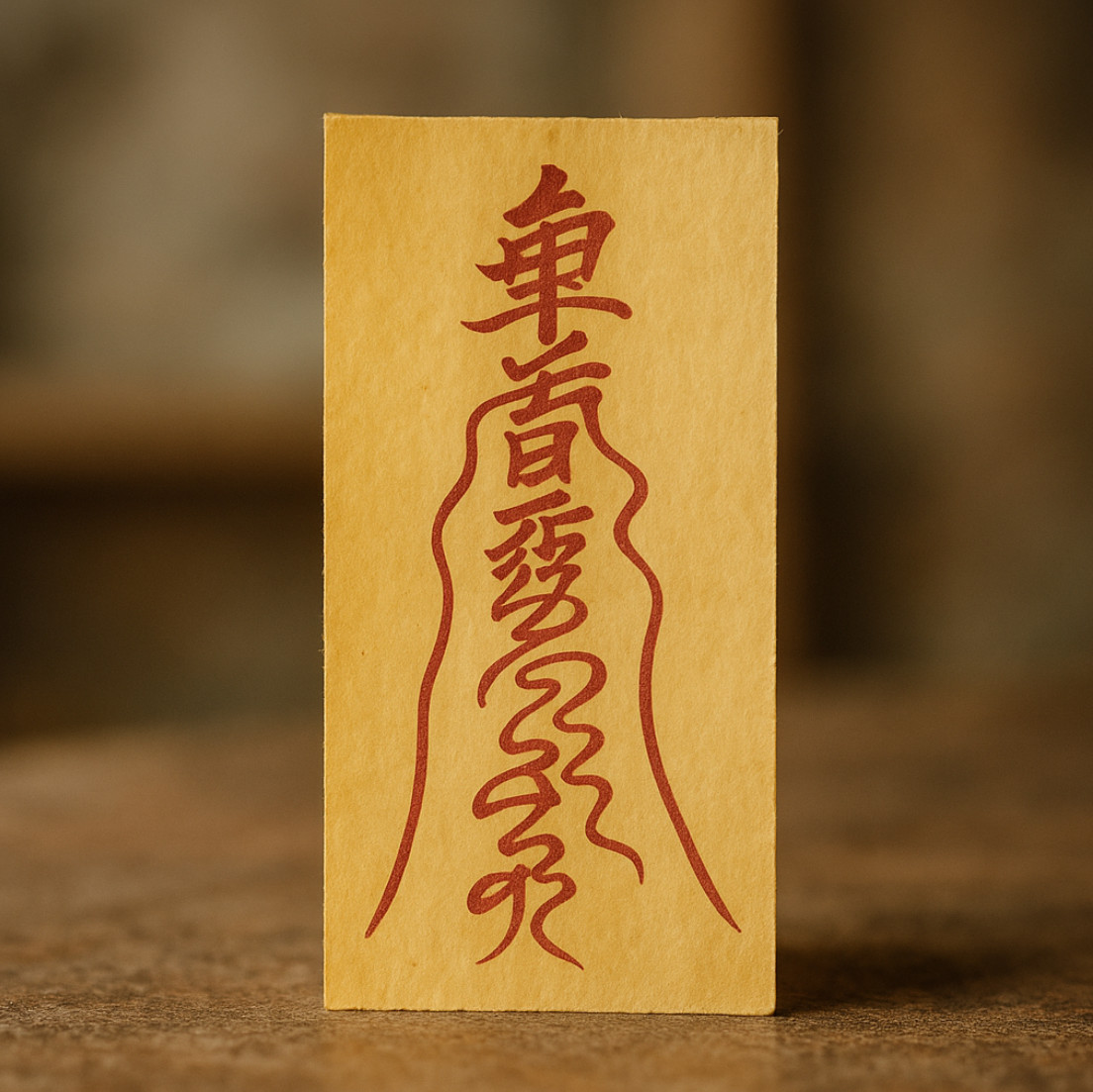
Signs of Spiritual Disturbance Post-Ritual
How can one know if they have attracted an unwanted spiritual attachment as a result of a misguided ritual? The signs can range from subtle to terrifying.
| Category | Potential Signs of Spiritual Disturbance |
|---|---|
| Mental & Emotional | Persistent feelings of being watched, extreme mood swings, thoughts that feel alien or not your own, hearing whispers when no one is there, sudden onset of severe depression or anxiety. |
| Physical | Unexplained cold spots in the home, objects moving on their own, strange smells (like sulphur or decay) with no source, electronic devices malfunctioning. |
| In Dreams | Recurring nightmares, often involving dark figures, being chased, or feeling paralyzed. The target of the spell might also appear in dreams, looking tormented or asking for help. |
| Physical Sensations | Feeling an invisible touch, unexplained scratches or bruises appearing on the body, a constant sense of dread or heaviness, chronic fatigue. |
If someone experiences these symptoms after commissioning a Heheshu ritual, it is a serious red flag. It indicates that the 和合術報應 is not just a matter of abstract karmic balance but has manifested as an active, malevolent influence in their life. At this point, simply "waiting out" the karma is not an option. Active spiritual intervention and cleansing are required to sever the connection and banish the unwanted entity. This is why it is so critical to understand that when you engage in coercive magic, you are not just playing with emotions; you are opening a door to a realm you may not be prepared to face.
Truth #5: The Generational Impact: Does 和合術報應 Affect Descendants?
One of the most chilling considerations within the framework of Baoying is the idea that the consequences of our actions do not necessarily die with us. The concept of generational or ancestral karma suggests that a significant spiritual debt, such as the one incurred from a coercive love spell, can ripple forward in time, affecting the luck, health, and happiness of one's children and even grandchildren. This is a heavy moral weight to consider. The selfish desire of one moment could potentially cast a long, dark shadow over the future of your entire lineage.
This idea is rooted in the deep cultural importance of family and ancestry in many Asian societies. An individual is not seen as an isolated atom but as a link in a long chain, connected to those who came before and those who will come after. The family shares a collective pool of merit and demerit. The honor of an ancestor can bring blessings to their descendants, while the transgression of an ancestor can bring misfortune. This is not about a child being "punished" for a parent's "sin," but about inheriting a spiritual environment that has been polluted.
The Concept of Ancestral Karma
Think of your family's karmic state as an ancestral home. Each generation has a responsibility to maintain and improve it. Good deeds, acts of piety, and right living are like making repairs, adding new rooms, and beautifying the garden. The descendants who inherit the house benefit from this care, finding it a place of safety, comfort, and prosperity.
Now, consider what happens when a person commits a serious spiritual transgression, like performing a coercive Heheshu. This is akin to taking out a massive, fraudulent mortgage on the ancestral home and then setting a fire in the basement. The person might enjoy the "insurance money" for a short time (the forced relationship), but they have fundamentally damaged the structure and encumbered it with debt.
Their children are then born into this damaged and indebted home. The roof might leak (poor health), the foundation might be cracked (instability in life), and debt collectors (negative spiritual influences) might keep showing up at the door. The children did nothing wrong themselves, but they have inherited a compromised spiritual environment. This is the essence of how 和合術報應 can become a generational problem.
How Unresolved Spiritual Debts Can Pass Down
The mechanism for this transfer is often described in energetic terms. The unresolved karmic debt of a parent creates a "karmic stain" on the family's energetic field. Descendants born into this field may find themselves inexplicably unlucky. They might struggle with relationships, finding it hard to form stable and loving partnerships. They might be prone to chronic illnesses or face unusual obstacles in their careers.
For instance, there are accounts from spiritual counselors of families where the women, for several generations, have all experienced failed marriages or an inability to marry. Upon a deeper spiritual investigation, it is sometimes traced back to a grandmother or great-grandmother who used a binding spell to secure her own husband. The karmic debt from that act of coercion created a pattern of relational discord that continues to plague her female descendants. The "repayment" for the forced union of the ancestor is a pattern of broken unions for her progeny.
This is a particularly cruel form of 和合術報應 because the ones suffering are innocent. They are simply living out the consequences of a spiritual imbalance created long before they were born.
Protecting Your Lineage: A Moral Consideration
This brings the ethical dilemma of Heheshu into sharp focus. The question is no longer just, "What will happen to me?" It becomes, "What kind of spiritual legacy do I want to leave for my children?" Is a temporary, forced relationship worth potentially compromising the well-being of future generations?
For anyone with a deep respect for family and lineage, this is a powerful deterrent. The desire to protect one's children and ensure they have the best possible start in life is a primary human instinct. Understanding that your spiritual actions could harm them adds a profound layer of responsibility to your choices. It forces a shift from a short-term, self-centered perspective to a long-term, altruistic one.
This is why many ethical Taoist masters will counsel clients against coercive spells by appealing to their sense of familial duty. They might ask, "Do you want your daughter to suffer in her marriage because of what you are doing today?" This question reframes the issue from one of personal desire to one of ancestral responsibility. Choosing not to interfere with free will becomes an act of love not just for the person you desire, but for the children you may one day have. It is an act of spiritual housekeeping, ensuring that the ancestral home you pass down is one of blessing, not of burden. For those seeking to mend relationships without incurring such heavy debts, exploring ethical avenues through professional spiritual guidance is a far wiser path.
Truth #6: The Ethical Dilemma and the Practitioner's Burden
In the charged emotional landscape of heartbreak and desire, it is easy to place the entire moral focus on the petitioner—the person seeking the love spell. However, the practitioner, the Taoist master who agrees to perform the ritual, bears an equal, if not greater, share of the karmic responsibility. A master is not merely a hired technician; they are a spiritual channel, a gatekeeper who wields knowledge that can either heal or harm. Their decision to accept or reject a request for coercive magic is a moment of profound ethical significance, with consequences for both the client and themselves.
Understanding the practitioner's role is crucial for anyone considering Heheshu. It helps you differentiate between a true spiritual guide and a charlatan who is willing to endanger your soul for a fee. The burden on the master is immense, as they are knowingly participating in the disruption of the Tao. A legitimate master carries this weight with extreme caution, while an unethical one ignores it, often with disastrous results for all involved.
The Responsibility of the Taoist Master
A true Taoist master, who has dedicated their life to understanding the intricate workings of the cosmos, knows the laws of Baoying intimately. They understand that facilitating an act of coercion makes them an accessory to the spiritual crime. It's like a licensed gunsmith knowingly selling a weapon to someone they know is going to commit a murder. They share in the karmic fallout.
Because of this, an ethical master's first duty is to act as a counselor. They will use divination tools like Bazi or I-Ching not just to see if a spell can work, but if it should work (Soontanger.com.tw, 2015). They will analyze the yuanfen between the two parties. If there is no karmic link, they will refuse the request outright, explaining that it would be both futile and dangerous. They will offer the client guidance on how to move on, how to heal their heartbreak, and how to cultivate themselves to attract a more suitable partner. Their goal is the client's long-term well-being, not a short-term transaction.
If there is a thread of yuanfen that has been damaged, they may agree to a harmonization ritual, but they will be clear about the intent: to heal, not to force. They act as spiritual doctors, mending a wound, not as puppet masters, pulling strings. This responsibility to guide and, if necessary, refuse, is the hallmark of a true practitioner.
Red Flags: How to Identify an Unethical Practitioner
The market for spiritual services, especially online, can be a minefield. For every genuine master, there are many fraudulent or unethical practitioners who are happy to prey on the desperate. Recognizing the red flags is essential to avoid falling into a trap that could lead to severe 和合術報應.
Here are some common warning signs of an unethical practitioner:
- Guarantees of 100% Success: The spiritual world is not a machine. There are no absolute guarantees. Anyone who promises a 100% success rate, especially in forcing an unwilling person to return, is likely a fraud. They are selling false hope.
- No Preliminary Divination: An unethical practitioner will often skip the crucial step of analyzing the situation through divination. They don't care if there is yuanfen or not. They will take your money and perform a ritual regardless of the potential consequences.
- Emphasis on "Extremely Powerful" or "Dark" Magic: They often use sensational language, boasting about their ability to perform the most powerful, irreversible binding spells. They market their services like weapons, emphasizing their destructive or controlling power rather than their ability to create harmony.
- High Pressure and Exorbitant Fees: They may create a sense of urgency, telling you that you must act now or lose your chance forever. They often charge astronomical fees, sometimes demanding more and more money for "stronger" rituals or to "fix" a spell that isn't working.
- Lack of Moral Counseling: They will show no interest in your emotional state or the ethics of your request. They are not counselors; they are salespeople. They will not question your motives or warn you about the potential for negative karmic consequences.
If you encounter a practitioner who exhibits these traits, it is a clear sign to walk away. They are not a spiritual guide but a merchant of misery, and engaging their services is a direct invitation for 和合術報應.
The Karmic Consequences for the Master Performing the Ritual
What happens to the unethical master? The Baoying they incur can be even more severe than that of their client. The client often acts out of ignorance, emotional pain, and desperation. The unethical master, however, acts with full knowledge of the spiritual laws they are breaking. They are polluting the spiritual well for profit.
The consequences for such practitioners are often described as a rapid decay of their own spiritual power and personal fortune. Their own rituals may begin to fail. Their health may decline rapidly. They may find themselves plagued by the very same low-level entities they command. There are tales of powerful sorcerers who, after a career of performing coercive magic, ended their lives in madness, poverty, and isolation.
Their spiritual cultivation, which they twisted for material gain, becomes corrupted. They lose their connection to the benevolent forces of the Tao and become mired in the murky energies they have manipulated. In a way, their fate is a magnified reflection of the fate of their clients. By consistently choosing to disrupt harmony for profit, they bring upon themselves the ultimate disharmony—a complete spiritual collapse. This serves as a stark warning that in the world of spiritual ethics, no one is above the law of cosmic balance.
Truth #7: The Path to Resolution and Mitigation
For someone who has, in a moment of desperation, already commissioned a coercive love spell and is now experiencing the chilling effects of 和合術報應, the situation can feel hopeless. They may be trapped in a miserable relationship, their luck may be failing, and their health may be in decline. The question that burns in their mind is: "Is this permanent? Can anything be done?" Fortunately, Taoist philosophy is not just about rules and consequences; it is also about redemption and rebalancing. While a karmic debt cannot simply be erased, there are paths to resolution and mitigation.
The journey to undoing the damage of a coercive spell is not a quick fix. It is a process of sincere repentance, active merit-making, and often, professional spiritual intervention. It requires acknowledging the wrong that was done, taking responsibility for it, and actively working to restore the harmony that was disrupted. It is about turning away from the path of manipulation and back towards the path of the Tao.
Can You Reverse a Heheshu Spell?
The idea of "reversing" a spell is complex. It's not like flipping a switch. The energy has already been sent out, and the karmic ripple has already begun. Forcibly "cutting" the magical tie can sometimes be as disruptive as creating it in the first place, especially if malevolent entities are involved. A brute-force reversal could anger the entity, causing it to lash out at either the petitioner or the target.
Therefore, the preferred method among ethical practitioners is not a reversal, but a "dissolving" or "cleansing" (jiěfú 解符). This is a more gentle process that aims to neutralize the coercive energy, persuade the entangled spirits to leave, and restore the free will of the target. This often involves specific rituals of purification performed by a skilled master. The master may create talismans not for binding, but for cleansing and protection. They will petition deities of justice and compassion to oversee the process and ensure the peaceful separation of the unnatural bond.
The success of such a ritual depends heavily on the petitioner's sincere repentance. You must truly, from the bottom of your heart, regret your actions and desire for the other person's freedom and happiness, even if it means they leave you forever. Without this sincere change of heart, any cleansing ritual is likely to fail. You cannot ask for harmony while still clinging to the desire for control.
Cultivating Merit and Performing Good Deeds
Beyond the ritual itself, the most powerful tool for mitigating 和合術報應 is the active cultivation of merit (gōngdé 功德). Remember the analogy of the spiritual bank account? If you have made a massive, high-interest withdrawal, the only way to get back into good standing is to start making significant deposits.
This is the principle of chānduì (懺悔), or repentance and reform. It is more than just saying "I'm sorry." It is a commitment to living a better, more ethical life moving forward. Ways to cultivate merit include:
- Charitable Acts: Donating money or time to help those in need. This can be anything from volunteering at a local charity in Singapore to supporting a temple or funding education for poor children.
- Acts of Compassion: Performing acts of kindness in daily life. Helping an elderly person, showing patience in traffic, or releasing animals destined for slaughter (fàngshēng 放生) are all considered meritorious acts.
- Spiritual Practice: Chanting sacred scriptures, such as the Taishang Ganying Pian or the Daode Jing, can help to purify one's own energy field. Meditation and self-cultivation practices also help to calm the mind and realign it with the Tao.
- Apologizing and Making Amends: While it may not always be possible or wise to confess directly to the person you wronged, you can hold them in your heart and sincerely ask for their forgiveness. You can pray for their happiness and well-being.
These actions create positive energy. They send out ripples of harmony that begin to counteract the disruptive ripples you created with the spell. Over time, as you build up a surplus of good merit, you can begin to "pay down" your karmic debt, lessening the severity of the Baoying.
Seeking Professional Spiritual Guidance for Cleansing
For many, trying to navigate this process alone is overwhelming, especially if negative spiritual entities are involved. This is where seeking the help of a qualified and ethical Taoist master becomes essential. Such a master can perform several crucial functions.
First, they can perform a proper divination to accurately assess the situation. They can determine the nature of the spell that was cast, the type of entity that is involved, and the extent of the karmic debt that has been incurred. This diagnosis is the first step to a cure.
Second, they can perform the necessary cleansing and dissolving rituals in a safe and controlled manner. They have the knowledge and spiritual authority to negotiate with or banish the entangled entities and to properly dismantle the magical framework of the spell. They can create protective talismans for both the petitioner and the target to prevent further spiritual harm. If you find yourself in such a situation, seeking help from a service that specializes in Taoist relationship rituals and cleansing can provide the expert guidance needed.
Finally, they can provide ongoing spiritual counseling, guiding you on the path of repentance and merit-making. They can teach you specific chants, meditations, or charitable acts that are best suited to resolving your particular karmic situation. They become your guide on the difficult journey back to spiritual balance. Choosing this path is an act of profound courage. It is an admission of a mistake and a commitment to healing, not just for yourself, but for the person you harmed. It is the ultimate way to resolve 和合術報應 and begin to walk the path of the Tao once more.
Frequently Asked Questions about Heheshu and Karmic Retribution
1. Is all Heheshu (和合術) considered bad or dangerous?
Not at all. There is a crucial distinction between ethical harmonization and unethical coercion. Ethical Heheshu works to mend existing relationships where mutual affection is present but has been damaged by misunderstandings or external factors. It respects free will and aims to restore natural harmony. Coercive rituals, which seek to force an unwilling person into a relationship, are what carry the significant risk of 和合術報應.
2. How quickly does 和合術報應 (karmic retribution) manifest?
There is no fixed timeline. The consequences can be immediate or can take years to appear. Sometimes, the initial "success" of the spell is part of the retribution itself, leading the petitioner into a miserable, paranoia-filled relationship. More often, the negative effects on luck, wealth, and health are a slow corrosion, a gradual decline that the person may not immediately connect to their past actions. The severity and timing depend on the gravity of the transgression and the petitioner's own karmic balance.
3. What if I used a spell on my spouse to stop a divorce? Is that still wrong?
This falls into a grey area that heavily depends on intent and the state of the relationship. If the spell was intended to override your spouse's firm decision to leave and trap them against their will, it is an act of coercion and carries a high risk of negative consequences. If, however, the ritual was a harmonization spell sought with the sincere intention of healing the rift and reminding both partners of the love that once existed, the karmic implications are far less severe. An ethical practitioner would first perform a divination to see if the marital bond is truly salvageable before proceeding (Qianyu.sg, 2019).
4. Can I reverse the effects of 和合術報應 by myself?
While personal efforts are crucial, self-reversal can be difficult and even dangerous, especially if negative entities are involved. The most important personal actions are sincere repentance and actively cultivating merit through good deeds and charity. This begins the process of rebalancing your karmic debt. However, for a full cleansing and to safely dissolve the spell's energy, it is highly recommended to seek help from a qualified and ethical Taoist master who can perform the necessary purification rituals.
5. Does the practitioner who casts the spell also suffer from karmic retribution?
Yes, absolutely. An ethical master who knowingly performs a coercive ritual for profit is considered a willing accomplice in a spiritual transgression. Because they are acting from a place of knowledge rather than ignorance, the Baoying they face can be even more severe than what their client experiences. This can manifest as a loss of their own spiritual powers, declining health, and a collapse of their personal fortune.
6. I feel guilty about a spell I did years ago. Can I still make things right?
Yes. The path to resolution is always available through sincere repentance and action. The first step is to mentally and spiritually release the other person, wishing them genuine happiness and freedom. The second step is to embark on a consistent practice of cultivating merit—performing good deeds, donating to charity, and engaging in spiritual practice. This will not erase the past, but it will actively work to pay down the karmic debt and mitigate its effects on your current and future life.
7. Are there any "safe" love spells?
The safest forms of "love magic" are those focused entirely on yourself. Instead of trying to influence another person, use spiritual practices to enhance your own charisma, heal your own emotional wounds, and cultivate a positive and attractive energy. Rituals to "cut" ties with past negative relationships (often called "peach blossom cutting" or zhǎn táohuā 斬桃花 for negative encounters) or to improve your own personal charm are generally considered safe as they do not infringe upon anyone else's free will.
Conclusion
The exploration of 和合術報應 reveals a profound spiritual and ethical landscape, one that cautions against the temptation of manipulating destiny for personal gain. The core teaching is not one of fear, but of wisdom. It underscores the Taoist reverence for the natural order and the sanctity of free will. A relationship born from coercion is not a triumph but a tragedy, a hollow victory that often costs the victor their fortune, health, and peace of mind. The seven truths examined here—from the fragility of a forced bond to the potential for generational consequences—serve as a comprehensive guide for those standing at a crossroads of heartache and temptation. Ultimately, the path of the Tao encourages not the control of others, but the cultivation of the self. True, lasting harmony is found not by bending another's will to match your own, but by becoming a person whose own inner harmony naturally and effortlessly attracts the love and respect you seek. The most powerful magic lies in personal transformation, an act that generates only positive merit and aligns one with the benevolent flow of the cosmos.
References
Geomancy.Net. (2024). Center for applied Feng Shui research (Singapore) since 1996.
Kuan Shih Yin. (2008). Predictions online.
Mao Shan Cultural Centre. (2025). English – 茅山宗教服務中心 Mao Shan cultural centre.
MJC-FS.com. (2025). 香港風水玄學大師 馬君程 和團隊|風水 改運 收費|你的綫上風水師 MJC-FS.COM.
Qianyu.sg. (2019). Qianyu.sg | 謙行滿乾坤,預事利天下.
Soontanger. (2015). 順天閣開運命理館 | 卜卦問事占卜 八字算命 陽宅看風水 擇日找日子 命名改名字 化解運途不順 卜卦很準,占卜很準,問事很靈,算命很準,台北算命,板橋算命,新北市算命.
佛滔算命网. (2025). 周公解梦查询,周公解梦大全查询,佛滔解梦_佛滔算命网.